
Consultant Medical Oncologist
MBBS | MD – General Medicine | DM – Medical Oncology
He is a Consultant Medical Oncologist at Rajiv Gandhi Cancer Institute, New Delhi. He completed his MBBS and MD in General Medicine from VMMC & Safdarjung Hospital, New Delhi, and pursued his DM in Medical Oncology at AIIMS, New Delhi. He completed all his listed academic qualifications in the first attempt.
His clinical training includes experience in the Department of Medical Oncology at AIIMS New Delhi and the Department of Medicine at VMMC and Safdarjung Hospital, New Delhi. His practice is focused on providing thoughtful, evidence-based oncology care with treatment decisions guided by the patient's diagnosis, clinical condition, and individual needs.
Alongside clinical practice, Dr. Arora has an active interest in oncology research, particularly breast cancer, immunotherapy and checkpoint inhibitors, health-related quality of life, cost-effective cancer care, and translational oncology.

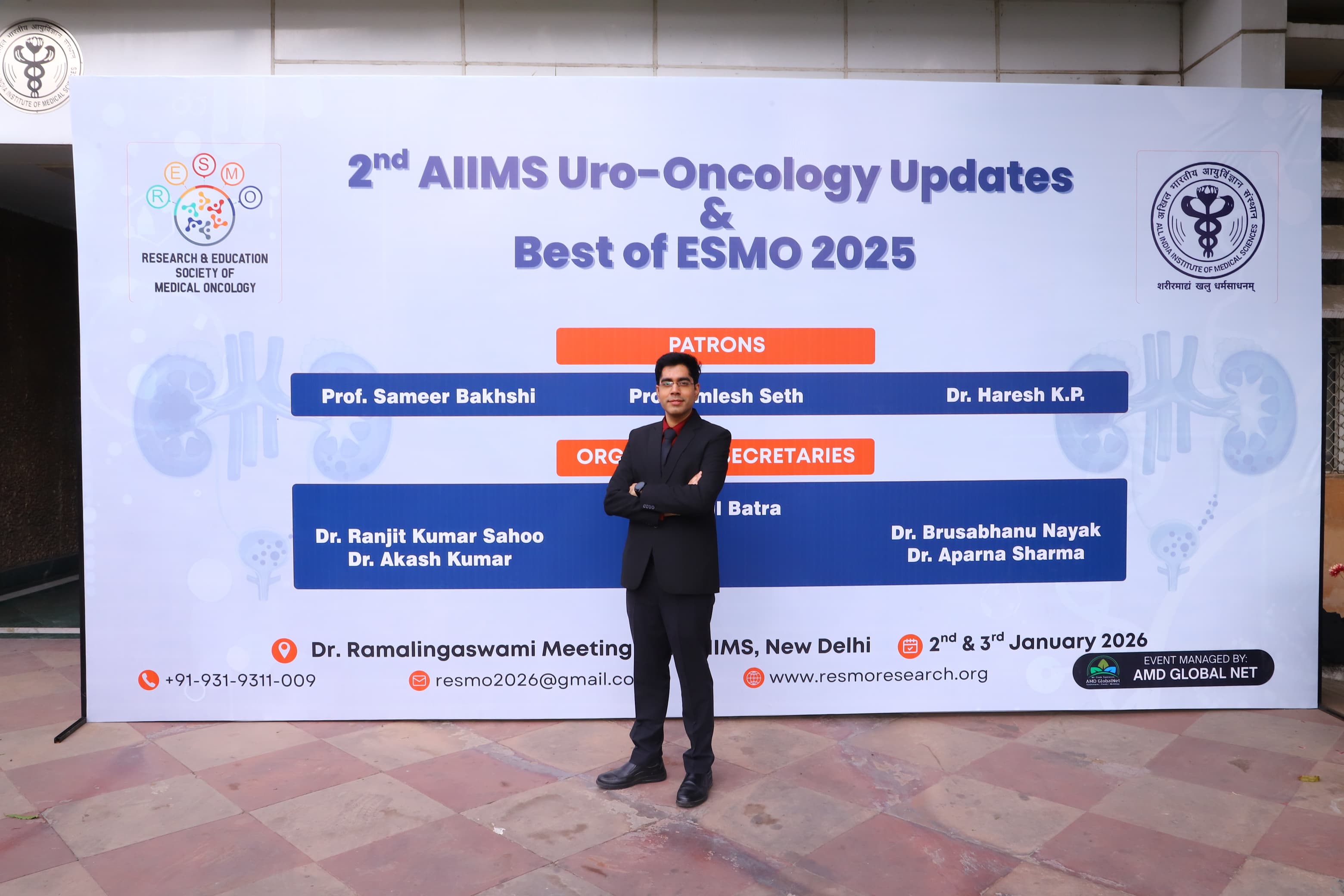
Outstanding Research Award
Awarded at: AIIMS, New Delhi
Recipient of the Outstanding Research Award at AIIMS Research Day for excellence in clinical research.
Read more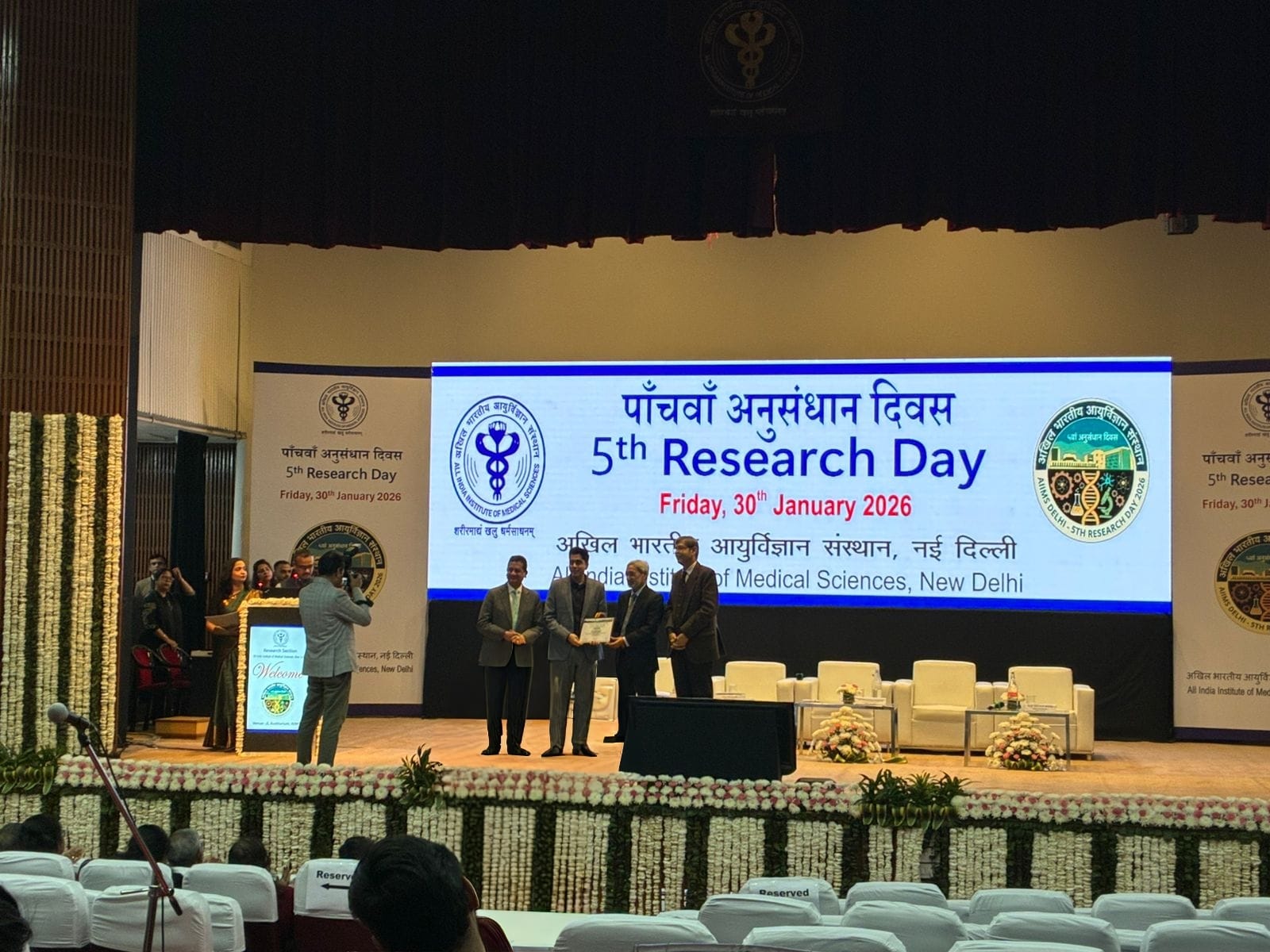
5th Research Day – AIIMS New Delhi
Year: 30 Jan 2026
Honouring Research & Innovation A memorable moment from the 5th Research Day at AIIMS, New Delhi, celebrating excellence in medical research, innovation, and scientific contributions.
Read more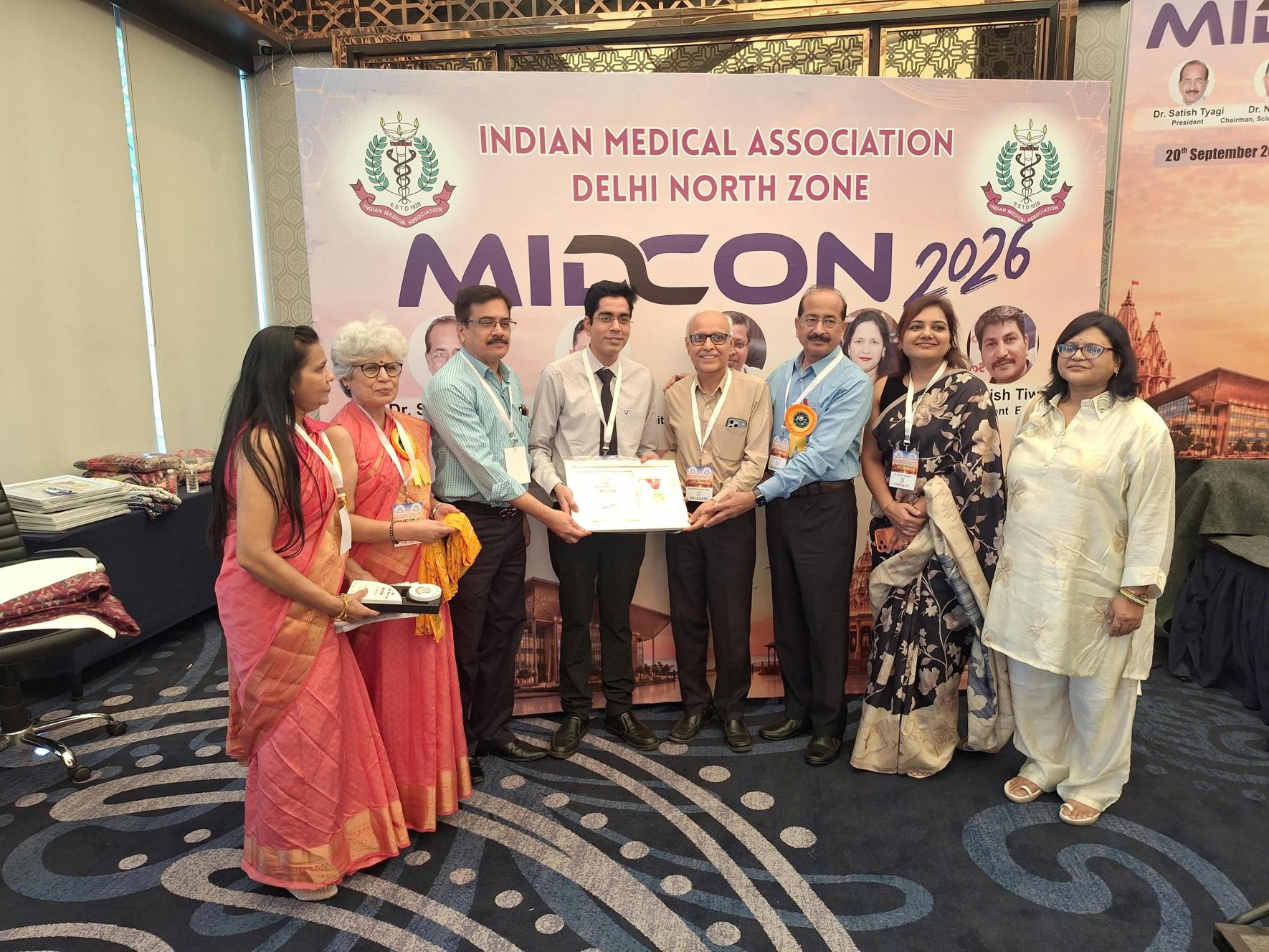
Recognition at MIDCON 2026
Proud moment at MIDCON 2026, organized by the Indian Medical Association, Delhi North Zone, celebrating excellence and recognition in the medical community.
Read more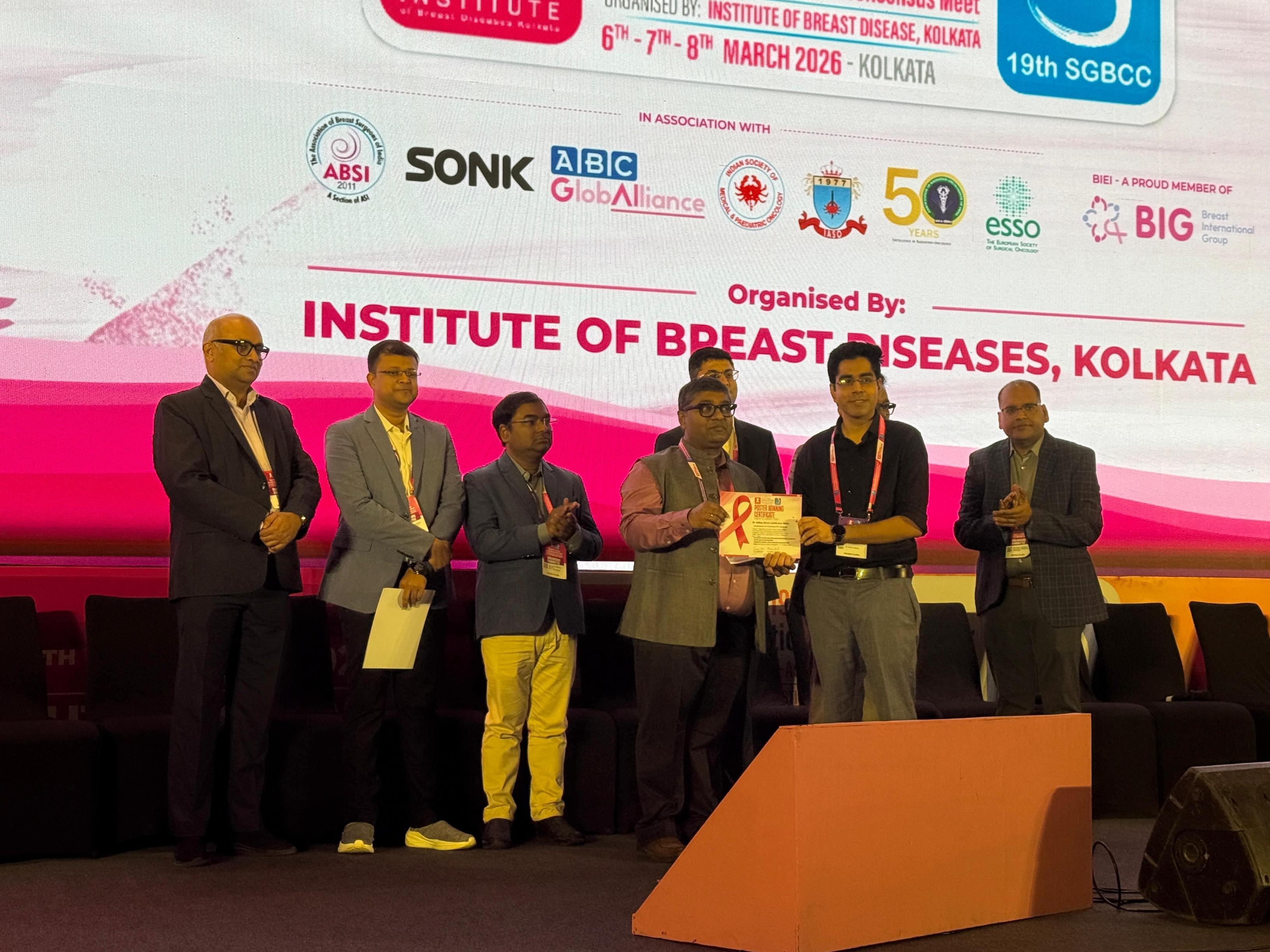
Best Oral Presentation, St. Gallen Breast Cancer Symposium 2026
Recognised with the prestigious Best of St. Gallen Award for outstanding contribution and excellence in the field of breast cancer care at the 19th St. Gallen International Breast Cancer Conference, Kolkata, 2026.
Read more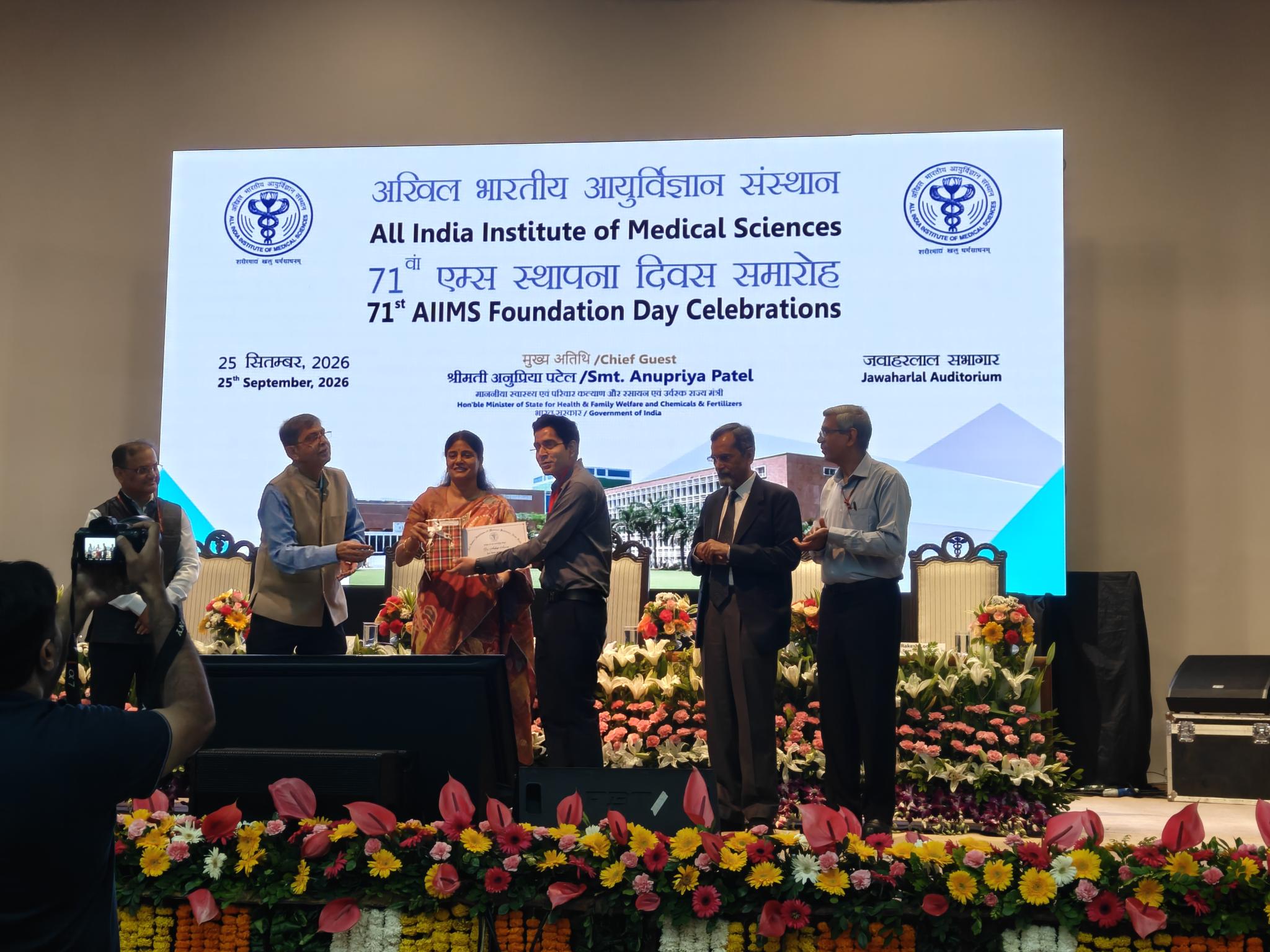
Awarded the Mrs. Geeta Mittal Medal for Clinical Research
Year: 25 Sep 2026
Awarded By: Smt. Anupriya Patel, Hon’ble Minister of State for Health & Family Welfare and Chemicals & Fertilizers, Government of India
Awarded at: Jawaharlal Auditorium, All India Institute of Medical Sciences (AIIMS)
The 71st AIIMS Foundation Day was celebrated on 25 September 2026 at Jawaharlal Auditorium, recognizing excellence and contributions to healthcare, medical education, and research. Awarded the prestigious Mrs. Geeta Mittal Medal for Excellence in Clinical Research.
Read moreA Medical Oncologist specializes in the medical treatment of cancer. This includes evaluating the diagnosis and stage of cancer, assessing treatment options, and developing an individualized plan that may include chemotherapy, immunotherapy, targeted therapy, hormonal therapy, or other systemic treatments, along with supportive care.
A Medical Oncology consultation is appropriate after a cancer diagnosis to discuss treatment options and develop a comprehensive management plan. You may also be referred for an oncology opinion before or after surgery, radiation therapy, or when there is recurrent or advanced disease.
No. Chemotherapy is not required for every cancer patient. Treatment depends on the type and stage of cancer, its biological and molecular characteristics, previous treatments, overall health, and the goals of treatment. In some situations, other treatments may be more appropriate.
Cancer treatment is individualized and may involve one or more approaches, including chemotherapy, immunotherapy, targeted therapy, hormonal therapy, and supportive or palliative care. Treatment may be given before or after surgery or radiation, or as the primary treatment depending on the type and stage of cancer.
Immunotherapy is a type of cancer treatment that helps the immune system recognize and attack cancer cells. Immune checkpoint inhibitors are an important class of immunotherapy used in several cancers. Whether immunotherapy is appropriate depends on the cancer type, stage, biomarkers, previous treatment, and overall clinical situation.
Yes. Seeking a second opinion can be helpful when you want to better understand your diagnosis, confirm the proposed treatment plan, or explore alternative treatment options. A second opinion should complement, not delay appropriate cancer care.
Please bring all available medical records, including pathology and biopsy reports, imaging reports and scans, previous treatment records, recent blood tests, and a list of current medications. If available, bringing a summary of your previous treatment and any relevant discharge documents can also help ensure a comprehensive review.
Yes. There is no single treatment that is right for every patient. Treatment decisions are based on the type and stage of cancer, pathology and molecular characteristics, previous treatments, overall health, and the goals and preferences of the patient. The treatment plan is developed after considering the available evidence and individual clinical situations.
You can contact us directly or use the appointment form on this website to request a consultation. Please have your basic details and relevant medical records available when scheduling your appointment.